Source 300g dental tension gauge for orthodontics, stress testing, and force measurement
Compare 30 listings of the 300g dental tension gauge from suppliers in China. Buyers can evaluate models like ALS15-024 and FD05-02, noting variations in material, accuracy, and certifications such as CE and ISO.
Key considerations
Products List
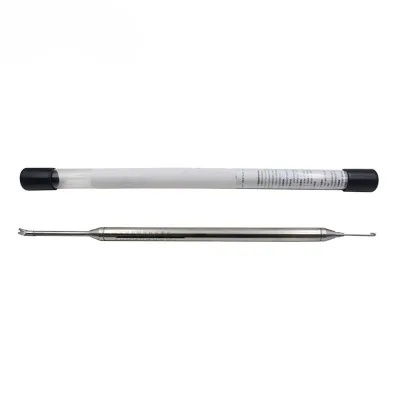
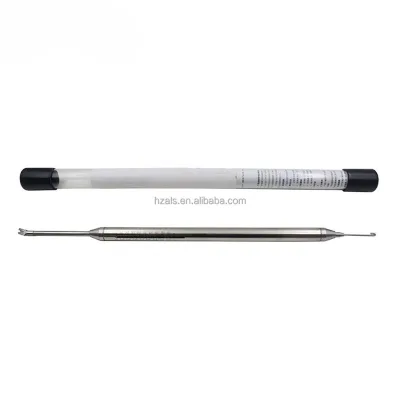
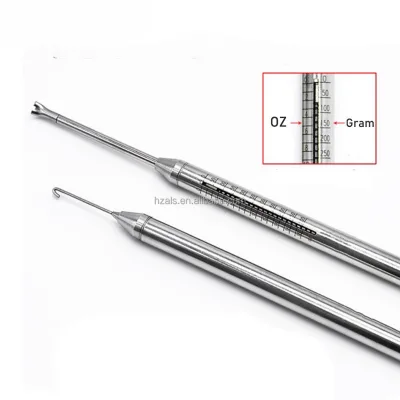
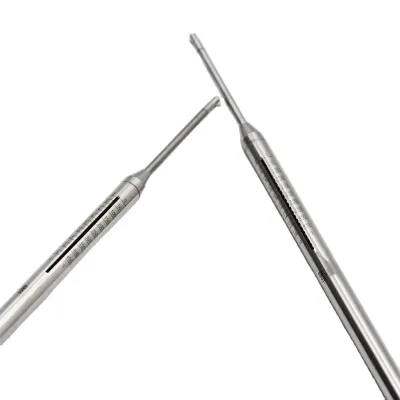
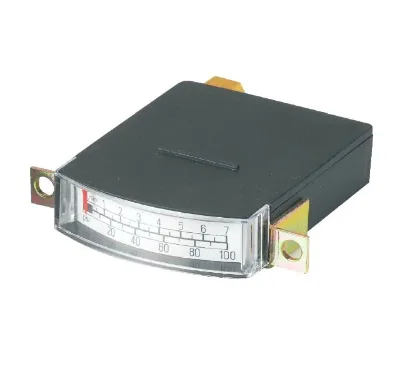


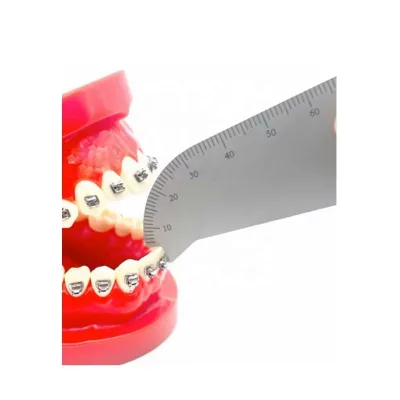


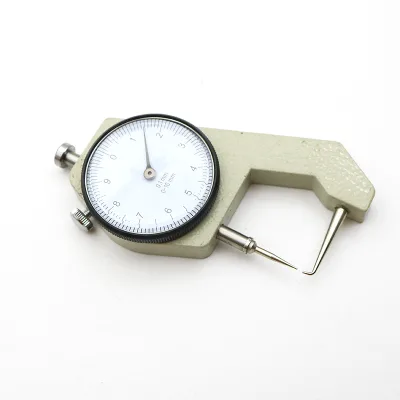
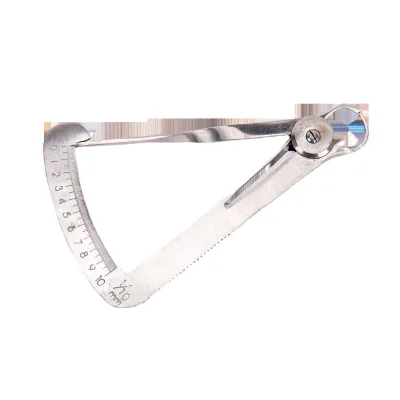


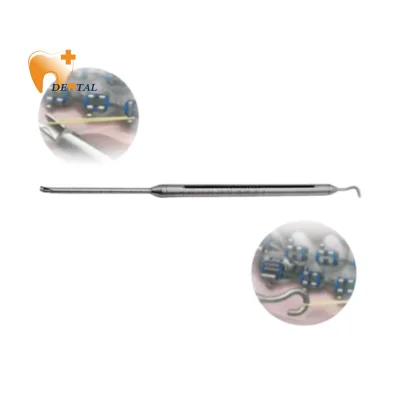
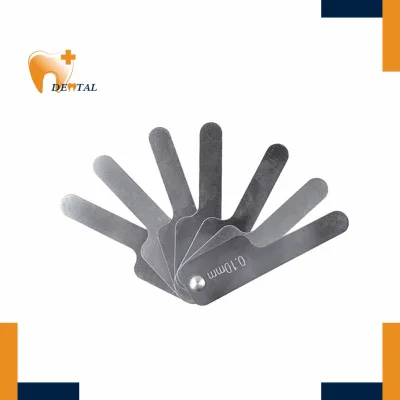
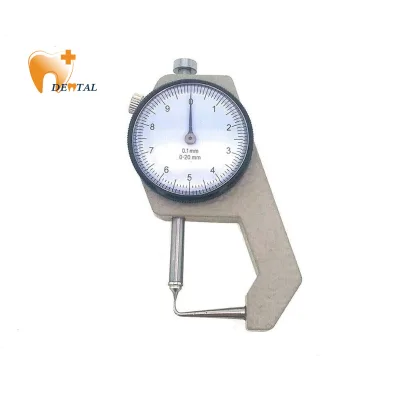
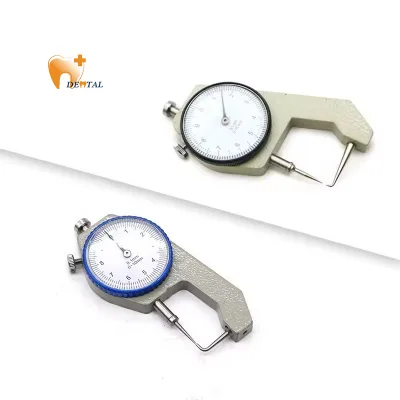
Comprehensive Sourcing Guide
Strategic Sourcing Guide for 300g Dental Tension Gauges
Understanding Product Classification and Technical Specifications
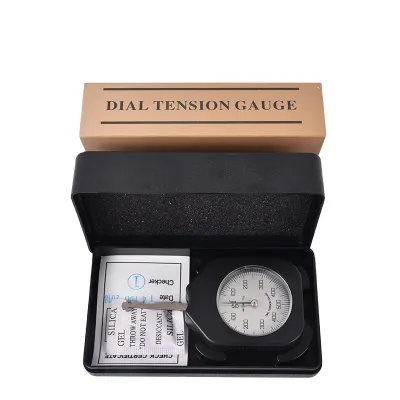
When sourcing a 300g dental tension gauge, buyers must first navigate the diverse landscape of instrument classifications and technical attributes available in the global market. The core keyword implies a specific measurement range, yet the actual product data reveals a spectrum of devices ranging from manual force gauges to specialized orthodontic tools. A critical observation in the current supply base is the variation in instrument classification. Some units are categorized as Class I instruments, while others fall under Class II, a distinction that often correlates with the intended clinical environment and the complexity of the measurement task. For a 300g application, the device must balance sensitivity with durability, particularly when used in the moist and sterile environments of dental practices.
The physical specifications of these gauges vary significantly depending on the manufacturer and the specific model number. For instance, specific models such as the ALS15-024 are designated as "Mini" size, whereas others, like the MY-02012, are described with a size ratio of 1:1. The physical dimensions are equally critical for storage and portability within a dental clinic. Observed single package sizes range from compact 5x5x5 cm units to slightly larger 15x2x2 cm configurations. The material composition is another primary differentiator; while many units utilize standard Stainless Steel, specific dental applications require Medical Stainless Steel to ensure biocompatibility and resistance to corrosion from saliva and sterilization agents. The power source for these devices is predominantly manual, eliminating the need for batteries or external power supplies, which enhances reliability in clinical settings. However, buyers should verify if the specific 300g model includes a digital readout or remains purely analog, as the data indicates the presence of Analog Pressure Gauges with specific pressure ranges such as 4kg/cm² (60psi) or 7kg/cm² (100psi), which may require conversion for precise gram-force measurements.
Compliance, Safety Standards, and Certification Verification
Navigating the regulatory landscape is perhaps the most critical step in sourcing medical-grade tension gauges. The supply chain for these instruments is fragmented regarding safety standards and certifications. While some products explicitly list compliance with the MFDS (Ministry of Food and Drug Safety) standard, others adhere to the GB15979-2002 standard, which is specific to the safety of medical devices in China. This disparity highlights the necessity for buyers to verify the regulatory status of the specific unit they intend to purchase against the regulations of their own country. For example, a device compliant with GB15979-2002 may not automatically satisfy the requirements for import into the European Union or North America without additional testing.
Certification status further complicates the procurement process. The observed data shows a mix of Quality Certifications including CE, CCC, and combinations of ISO and CE. The presence of a CE mark suggests conformity with European health, safety, and environmental protection standards, while CCC indicates compliance with Chinese Compulsory Certification. It is important to note that while "CE" appears in both high-confidence and low-confidence sections of the data, buyers must demand current, valid certificates rather than relying on general claims. Additionally, the "Quality" attribute for some products lists "autoclavable," a crucial feature for dental tools that must undergo repeated sterilization cycles. However, not all listed products carry this attribute; some are packaged in simple plastic bags without explicit sterilization claims. Buyers must explicitly confirm whether the 300g gauge they select is rated for autoclaving, as using a non-autoclavable device in a sterile field poses a significant infection control risk.
Cost Drivers and Pricing Dynamics
The pricing structure for dental tension gauges is influenced by several factors, including material quality, certification status, and brand reputation. The observed listed price range in the market spans from $0.92 to $25.50 USD, a wide variance that reflects the difference between generic, unbranded tools and specialized, certified medical instruments. The lower end of this spectrum often corresponds to products with "NO BRAND" designations or those lacking comprehensive certifications like ISO or CE. In contrast, the higher price points are typically associated with branded items like "ALS," which offer additional value through after-sale services such as online technical support and free spare parts.
Beyond the unit price, the Minimum Order Quantity (MOQ) is a significant cost driver. The market data indicates an MOQ range from 1 to 100 pieces, with a specific high-confidence observation of 50 pieces for certain models. For a buyer seeking a single unit for internal testing or a small clinic, an MOQ of 50 could result in significant inventory carrying costs. Conversely, suppliers with an MOQ of 1 offer flexibility but may charge a premium per unit. The supply ability of manufacturers also plays a role in pricing stability; with some suppliers capable of delivering 6,000 pieces per day, economies of scale can be leveraged for larger orders. However, buyers must be wary of the "Selling Units" attribute, which often lists "Single item," suggesting that bulk discounts may not be automatically applied unless negotiated. The packaging details, ranging from plain white boxes to master cartons on pallets, also add to the logistics cost, which should be factored into the total cost of ownership.
Typical Applications and Usage Scenarios
The primary application for a 300g dental tension gauge is within the orthodontic and dental areas, specifically for measuring forces applied to teeth and orthodontic appliances. The product data explicitly lists "Orthodontic Dental Teeth" and "Dental Area" as usage categories. These gauges are essential for calibrating archwires, measuring the force of elastics, and ensuring that orthodontic adjustments do not exceed the physiological limits of the periodontal ligament. A 300g capacity is particularly relevant for light force applications, such as aligning teeth or adjusting minor components of a brace, where precision is paramount to prevent tissue damage.
However, the versatility of these tools extends beyond simple force measurement. Some models are described as "Tension and Stress Gauges," indicating their utility in broader material testing scenarios within a dental laboratory setting. The "Size" attribute of S/M/L suggests that different gauges may be required for different procedural needs, allowing clinicians to select the appropriate tool for specific anatomical areas. The "Case" attribute, which mentions black ABS or black steel cases, implies that portability and protection of the instrument are considered in the design, making them suitable for use in various clinical rooms or mobile dental units. It is crucial for buyers to match the specific application requirements with the gauge's measuring range. For instance, while the device is targeted at 300g, some listed pressure gauges have ranges up to 100psi, which may be excessive for delicate orthodontic work and could lead to inaccurate readings if the scale is not properly calibrated for low-force applications.
Supplier Evaluation and Operational Capabilities
Evaluating suppliers for dental tension gauges requires a rigorous assessment of their operational capabilities and geographic footprint. The data indicates that the majority of these products originate from Zhejiang and Shanghai, China. This concentration suggests a robust manufacturing ecosystem in these regions, but it also means that buyers should be aware of potential logistical challenges related to shipping from these specific ports. The "Port of dispatch" is explicitly listed as Shanghai China for some items, which can influence lead times and freight costs depending on the buyer's location.
Supplier reliability is further indicated by their after-sale service offerings. The presence of "Free Spare Parts" and "Online Technical Support" are strong indicators of a supplier's commitment to product longevity and customer satisfaction. In contrast, suppliers offering only the product without support may pose a higher risk if the instrument requires calibration or repair. The "Shelf Life" of 2 years is another critical metric for inventory management; buyers must ensure that their procurement cycle aligns with this shelf life to avoid stock expiration. Additionally, the "Single gross weight" of 0.050 kg suggests that these are lightweight instruments, which can reduce shipping costs but also necessitates careful handling to prevent damage during transit. Buyers should also verify the "Accuracy" specifications, as the data mentions a variance of +/- 4%, which may or may not be sufficient for high-precision dental procedures.
Quality Control and Long-Term Procurement Considerations
Implementing a robust quality control (QC) protocol is essential when sourcing medical instruments. Given the variation in materials, from standard Stainless Steel to Medical Stainless Steel, buyers must verify that the specific 300g gauge meets the biocompatibility standards required for patient contact. The "Package" attribute, which varies from plastic bags to 1:1 packaging, also impacts the hygiene of the product upon arrival. For long-term procurement, the consistency of the product is key. Buyers should request samples to verify the "Accuracy" claims and the durability of the "Case" and "Instrument classification."
Long-term considerations also involve the scalability of the supply chain. With a supply ability of 6,000 pieces per day, suppliers appear capable of handling large orders, but buyers must confirm lead times and production capacity during peak demand periods. The "Model Number" consistency is another factor; with models like FD05-02, P800, and ALS15-024, buyers should ensure that the specific model they order remains in production to avoid supply disruptions. Finally, the "Color" attribute, listed as "Other" in some cases, suggests that color-coding may not be a standard feature, which could complicate inventory management if color differentiation is required for different force ranges. Buyers should prioritize suppliers who offer clear documentation, valid certifications, and a track record of consistent quality to mitigate these risks.
Comparative Analysis of Key Product Attributes
To facilitate a clearer decision-making process, the following table summarizes the key attributes observed in the current market for dental tension gauges. This comparison highlights the diversity in specifications that buyers must navigate.
| Attribute Category | Observed Variations | Critical Verification Point |
|---|---|---|
| Instrument Classification | Class I, Class II | Confirm classification matches local regulatory requirements. |
| Material | Stainless Steel, Medical Stainless Steel | Verify Medical Stainless Steel for direct patient contact. |
| Safety Standard | MFDS, GB15979-2002 | Ensure standard is recognized in the buyer's jurisdiction. |
| Certification | CE, CCC, ISO, CE+ISO | Demand valid, current certificates for all claimed standards. |
| Sterilization | Autoclavable (Yes/No) | Explicitly confirm autoclavability for dental use. |
| Accuracy | +/- 4% | Verify if this tolerance meets clinical precision needs. |
| Origin | Zhejiang, Shanghai, China | Assess logistics and lead times based on specific port. |
| MOQ | 1 to 100 pieces | Negotiate MOQ to align with inventory budget. |
| Power Source | Manual | Confirm no battery dependency for reliability. |
This structured approach ensures that buyers can effectively evaluate the 300g dental tension gauge market, balancing technical requirements with compliance and cost considerations. By focusing on verified facts and avoiding assumptions, procurement teams can secure reliable, high-quality instruments that meet the stringent demands of modern dental practices.
FAQs
What certifications do 300g dental tension gauges typically have?
These gauges often carry CE, CCC, or ISO certifications depending on the model. Some units also meet specific safety standards like MFDS or GB15979-2002. Buyers must verify the exact certificate for their target market since compliance varies by manufacturer.
Which material is best for autoclavable dental tension gauges?
Medical Stainless Steel is the preferred material for autoclavable dental tension gauges. This ensures biocompatibility and resistance to corrosion from sterilization agents. Standard stainless steel may be used for non-sterile applications but lacks the required durability for repeated autoclaving cycles.
How does the MOQ affect the cost of dental tension gauges?
Minimum Order Quantities range from 1 to 100 pieces, significantly impacting unit pricing. Some models require a 50-piece MOQ, while others allow single-item purchases. Higher volumes often leverage the supplier's daily capacity of 6000 pieces to reduce costs.
Can I find 300g dental tension gauges with free spare parts?
Yes, some branded models like ALS offer free spare parts as part of their after-sale service. This support helps maintain instrument accuracy over time. Buyers should confirm this specific service term before purchasing, as it is not available on all generic listings.
Where are most 300g dental tension gauge manufacturers located?
The majority of these manufacturers are located in Zhejiang and Shanghai, China. Products from these regions are often dispatched via the Shanghai port. This concentration allows for efficient logistics but requires buyers to account for shipping times from these specific Chinese locations.
What is the accuracy range for these dental tension gauges?
The typical accuracy for these gauges is specified as plus or minus 4 percent. This variance must be considered when selecting a gauge for high-precision orthodontic procedures. Buyers should verify if this accuracy level meets the specific requirements of their clinical applications.